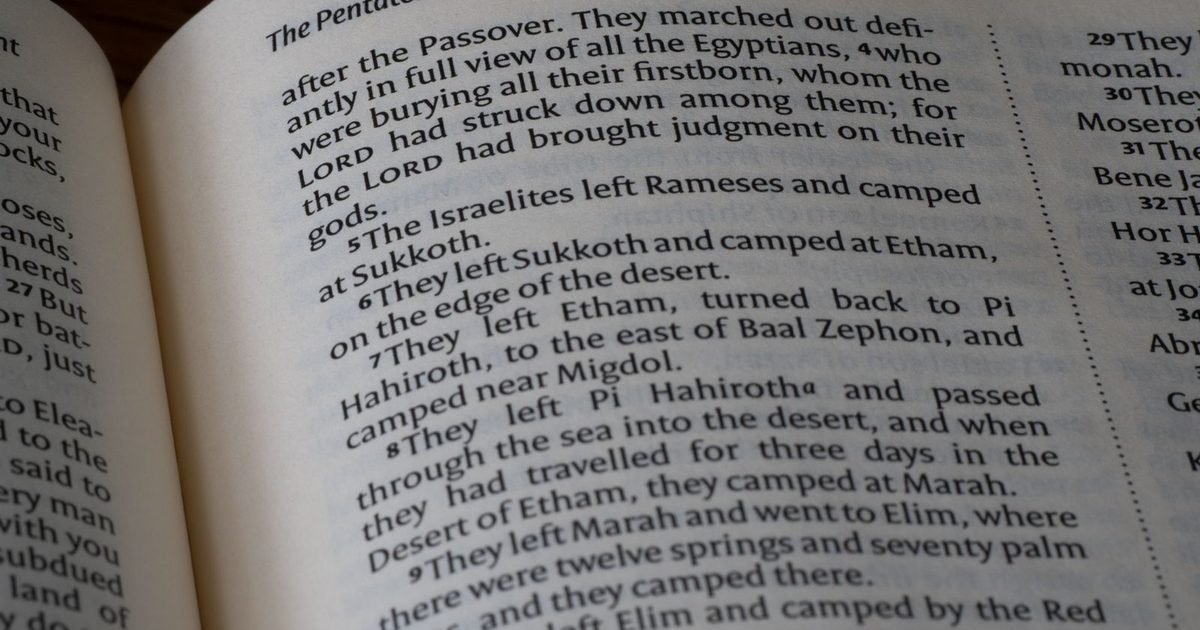
The Aaronic blessing is the priestly blessing God gave to Aaron in Numbers 6:24-26. It is three short lines that ask God to bless, keep, and give peace to His people. You may have heard it at the end of a church service. Below is the full text, what each line means, and how to use it in your own words.
It is also called the priestly blessing, and in Hebrew tradition it is known as birkat kohanim. God gave the exact words to Moses for Aaron and his sons to speak over Israel. That makes it different from most blessings, because the words come from God, not from the person speaking them.
The Aaronic Blessing Text From Numbers 6:24-26
The Aaronic blessing text comes from Numbers 6:24-26 in the Old Testament. God tells Moses to give Aaron and his sons these exact words to speak over Israel. The King James Version below is in the public domain, so you can quote it freely in a card, a program, or a message.
- “The Lord bless thee, and keep thee:”
- “The Lord make his face shine upon thee, and be gracious unto thee:”
- “The Lord lift up his countenance upon thee, and give thee peace.”
- Numbers 6:24-26, King James Version.
Verse 27 adds the promise behind the words, because God says the priests put His name on the people, and He Himself will bless them. That verse is why the blessing is spoken over someone, not just read about them. You can read the passage in full on BibleGateway in the King James Version, which shows the same wording quoted above.
Aaronic Blessing Meaning Verse by Verse

The meaning unfolds in three lines that grow longer and deeper as they go. The first line asks for blessing and protection, the second asks for favor and grace, and the third asks for attention and peace. Each line names the LORD once, so God is the subject of every promise in the blessing.
| Line | What it asks God to do | Hebrew word to know |
|---|---|---|
| 1 | Bless and keep you | Barak (bless), shamar (keep) |
| 2 | Shine His face and be gracious | Panim (face), chanan (gracious) |
| 3 | Lift His face and give peace | Shalom (peace, wholeness) |
Line 1: The Lord Bless Thee, and Keep Thee
To bless means God gives good things, and to keep means God guards what He gives. The Hebrew word for keep is shamar, the same word used for a shepherd watching sheep and a guard watching a city. This first line covers daily life, because it asks God to provide for you and then to protect you.
Line 2: The Lord Make His Face Shine Upon Thee
A shining face in the Bible means favor, welcome, and delight, like the smile of a friend who is glad to see you. The opposite picture is a hidden face, which means distance and silence. This line asks God to turn toward you with grace, which is kindness you did not earn and cannot repay.
Line 3: The Lord Lift Up His Countenance Upon Thee
To lift up His countenance means God looks at you with attention and a smile, the way a king looks kindly on a friend. The line ends with peace, and the Hebrew word behind it is shalom. Shalom means whole and well, with every part of life in its place.
Origin and History of the Priestly Blessing
The Aaronic blessing began when God gave Moses these words for Aaron and his sons to speak over Israel. Aaron was Moses’ brother and the head of the priestly family, so the blessing carries his name. It has been spoken for more than 3,000 years, one of the oldest blessings still in use today.
The Hebrew text grows line by line, because the first line has three words, the second has five, and the third has seven. Each line adds two words, and the name of the LORD stands once in every line. The last word is shalom, so the whole blessing ends in peace.
In 1979, archaeologists at Ketef Hinnom near Jerusalem found two small silver scrolls with words from this blessing, dated to the late seventh century BC. They are the oldest surviving pieces of biblical text ever found, older by centuries than the Dead Sea Scrolls. According to Wikipedia’s article on the Priestly Blessing, amulets with these verses were found in graves at Ketef Hinnom, dating from the First Temple period.
How the Aaronic Blessing Is Used Today

The Aaronic blessing is still spoken every week in synagogues and churches around the world. In Jewish worship it is the Priestly Blessing, spoken by Kohanim, the descendants of Aaron. In Christian worship it is a benediction, spoken by a pastor or priest at the end of a service.
In Jewish Tradition: Birkat Kohanim
In Hebrew the blessing is called birkat kohanim, and only Kohanim, men descended from Aaron in the male line, may speak it in the synagogue. They stand before the congregation with their hands raised and covered by a prayer shawl, while the cantor prompts them word by word. Jewish parents also speak these lines over their children on Friday night before the Shabbat meal. That is how most Jewish children first learn the words.
In Christian Worship: The Benediction
Many Christian churches close Sunday worship with these words as the benediction, which is the blessing spoken over the people as they leave. Catholic, Anglican, and Lutheran services use it in their liturgy, and many other churches speak it at weddings, baptisms, and funerals. Some people think a benediction is just a polite way to end a service. But for most worshippers, it is the moment the service ends with God’s blessing over their week.
If you like blessings you can share outside church, our Irish blessing guide has 96 short blessings for weddings, new homes, and farewells. This blessing speaks God’s words over someone, while an Irish blessing speaks your own warm wish. Both belong in a card when you want the words to last longer than the day.
How to Use the Aaronic Blessing in a Card or Message

To use this blessing in a card, quote one line or all three, then add one sentence in your own words about the person. The blessing works best when it fits the moment, so pick the line that matches what they need. A short note with one true line beats a long message that says nothing personal.
- “May the Lord bless you and keep you today, and in all the days ahead.”
- “Thinking of you today, and praying the Lord keeps you safe.”
- “May His face shine upon you in this new season of your life.”
- “Wishing you grace for today and peace for tomorrow.”
- “May the Lord lift up His countenance upon you and give you peace.”
- “Praying Numbers 6:24-26 over you as you start this new chapter.”
- “May God bless you, guard you, and fill your home with peace.”
- “On your wedding day, may the Lord bless you and keep you both.”
Keep the note short, and say why you chose these words for this person. One honest line about them matters more than a perfect quote. If you want a message written for your exact situation, explore our writing services and get words made for your card.
FAQs
What is the Aaronic blessing?
The Aaronic blessing is the priestly blessing God gave Moses for Aaron and his sons to speak over Israel in Numbers 6:24-26. Its three lines ask God to bless and keep His people, to shine His face on them with grace, and to give them peace.
Where is the Aaronic blessing in the Bible?
It is in Numbers 6:24-26, near the end of the laws about the Nazirite vow and camp purity. Verse 27 adds God’s promise that the priests put His name on the people, and He Himself will bless them.
What does “the Lord bless thee, and keep thee” mean?
Bless means God gives good things, and keep means God guards what He gives, like a shepherd watching sheep. Together the line asks God to provide for you and then to protect you through each day.
What does “the Lord make his face shine upon thee” mean?
It means God turns toward you with favor, welcome, and delight, instead of turning away. It asks God to look on you with grace, which is kindness you did not earn and cannot repay.
Is the Aaronic blessing a prayer?
Not exactly, because a prayer is a request people make to God, while this blessing is a word God speaks over people. That is why it closes a service so well, as a word from God spoken over the people as they leave.
Who can speak the Aaronic blessing?
In ancient Israel only Aaron and his sons, the priests, spoke it over the people. Today pastors speak it in worship and parents speak it at home, because the words belong to God, not to the person saying them.
Can I use the Aaronic blessing in a sympathy card?
Yes, the Aaronic blessing fits a sympathy card well, because its last line promises peace to someone who is grieving. Quote one line or all three, then add one short sentence in your own words about the person who died.
Final Thoughts
The Aaronic blessing says in three lines what every blessing needs to say. God blesses, God keeps, His face shines, and His peace follows. When you do not know what to say, these are good words to borrow.
Want a blessing written for someone you love? Explore our writing services for words made for your moment. For short blessings to copy today, our Irish blessing guide has 96 ready lines.